Essential Thailand Travel Tips for 2026
From navigating Bangkok's streets to respecting temple customs — this guide covers the practical knowledge that makes the difference between a frustrating trip and an unforgettable one.
Verified: October 28, 2026
Need your TDAC? Apply now →
Currency & Money
Thailand's currency is the Thai baht (THB). Exchange rates change every day, so check the current rate before you change money, for example on the Bank of Thailand website.
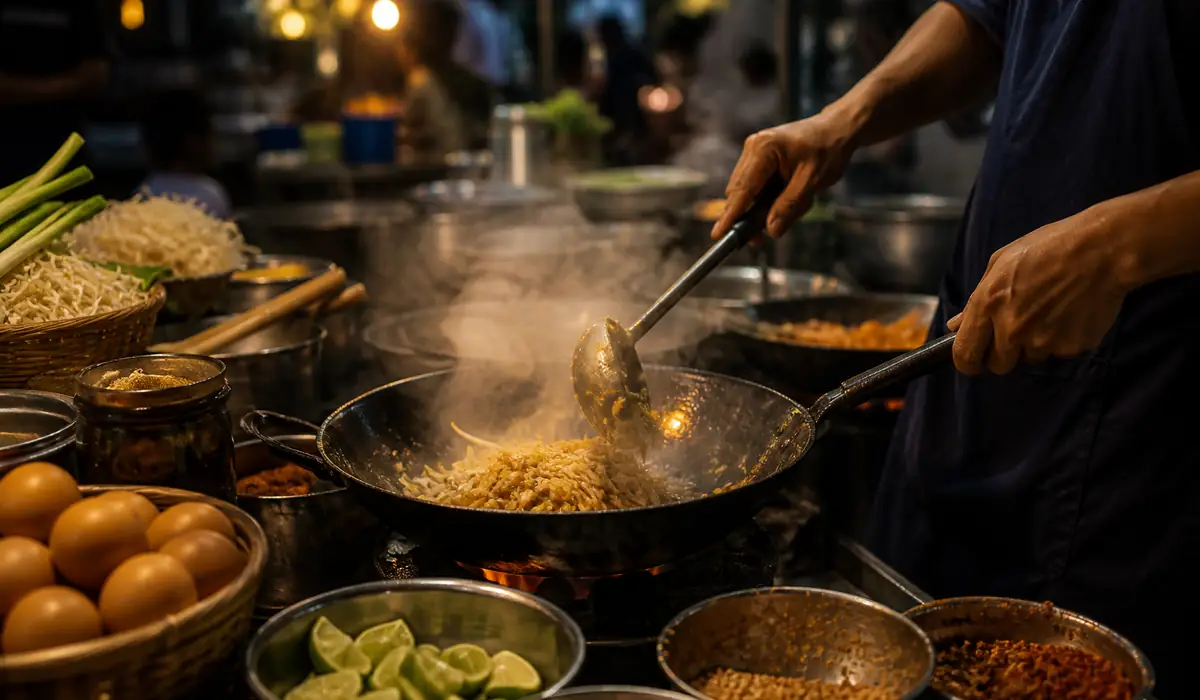
Thailand is very affordable for tourists. A street meal costs 50–80 THB ($1.50–2.50), a beer at a local bar is 60–100 THB, and a comfortable mid-range hotel runs 1,200–2,500 THB per night in Bangkok.
Best practice: Thai ATMs charge foreign cards a fee of around 220–250 THB per withdrawal, and the screen shows the fee before you confirm. Withdraw larger amounts less often. A card with low foreign exchange fees saves money; check what your own bank charges abroad. More in the money guide.
Tipping Culture
Tipping is not mandatory in Thailand but is appreciated:
- Restaurants: Leave loose change or 10–20 THB at street food stalls; 50–100 THB at sit-down restaurants if service charge isn't included.
- Hotels: 20–50 THB per bag for porters; 20–50 THB per day for housekeeping left on the pillow.
- Taxis: Round up to the nearest 10 THB or add 10–20 THB. Not expected but appreciated.
- Massage therapists: 50–100 THB minimum on top of the session price — they often rely on tips to supplement their income.
- Tour guides: 100–300 THB per person per day for a good guide.
Temple Dress Code
Temples (wats) are active religious sites, not tourist attractions. Dress codes are strictly enforced at major temples including Wat Pho, Wat Arun, and especially the Grand Palace.
- Not allowed: Shorts (above the knee), sleeveless tops, revealing clothing, see-through fabric.
- Required: Shoulders covered, knees covered, closed-toe shoes recommended (you'll often remove them).
Many temples provide sarongs to borrow at the entrance. However, at the Grand Palace, there are no exceptions — you will be turned away without proper attire. Pack a light linen shirt or wrap skirt that folds into your bag.
Additional temple etiquette: Remove shoes before entering temple buildings. Never point your feet toward Buddha images. Do not touch monks — women especially must never hand anything directly to a monk.
Common Scams to Avoid
Thailand is very safe for tourists, but certain scams have operated for decades. Knowing them in advance will save you time and money:
- The "Temple is Closed" Scam — A friendly local approaches you near a temple and says it's closed today for a special ceremony. He then offers to take you somewhere "better" — usually a gem shop or tailor where he earns a commission. Always verify temple hours online before you go.
- Tuk-tuk "City Tour" Scams — Tuk-tuk drivers offer suspiciously cheap tours and take you to shops where they earn fuel vouchers. Accept only if you genuinely want to browse those shops, or use metered taxis/Grab instead.
- Gem Shop Scam — One of the most persistent scams. A well-dressed stranger tells you about a "once-a-year tax exemption sale" on gems. The gems are worthless. Never buy gemstones from shops you're led to by a stranger.
- Taxi Meter Refusal — Some taxi drivers refuse to use the meter near tourist zones and quote inflated flat rates. Always insist on the meter. If they refuse, get out and find another taxi.
- Fake TDAC / Visa Websites — Some unofficial sites look like a government site, call their charge a "government fee", or handle your passport data carelessly. The official TDAC portal is tdac.immigration.go.th, and filing there is free. A paid service must say that it is independent and show the full price before you pay. See how to check in the official TDAC website guide.
Emergency Numbers
Tourist Police
- 1155
English-speaking, 24/7
General Emergency
- 191
Police (Thai)
Ambulance / EMS
- 1669
Medical emergencies
Fire Brigade
- 199
Highway Police
- 1193
Road accidents
Tourism Authority
- 1672
Tourist info & complaints
Save these numbers in your phone before arrival. The Tourist Police (1155) has English-speaking operators and can assist with scams, lost property, and general emergencies.
Best Time to Visit Thailand
November – February
- Peak Season (Best)
Dry, cooler weather (25–32°C) in most regions. The Gulf islands (Koh Samui, Koh Phangan, Koh Tao) are still rainy in November and December. Most crowded and expensive.
March – May
- Hot Season
Very hot (33–40°C). Songkran water festival in April. Good beach weather in the south.
June – October
- Rainy / Green Season
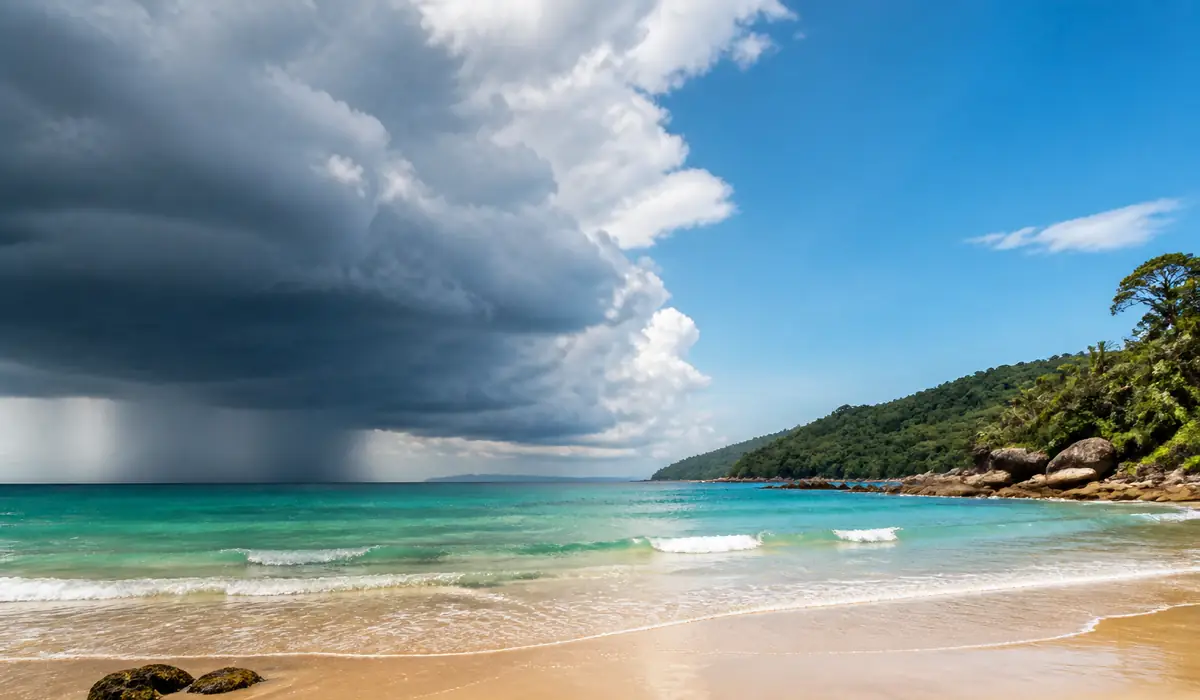
Rain across most of the country. The Andaman coast (Phuket, Krabi) has its monsoon from May to October. The Gulf islands get their heaviest rain later, from October to December. Fewer tourists, lower prices.
Transport Tips
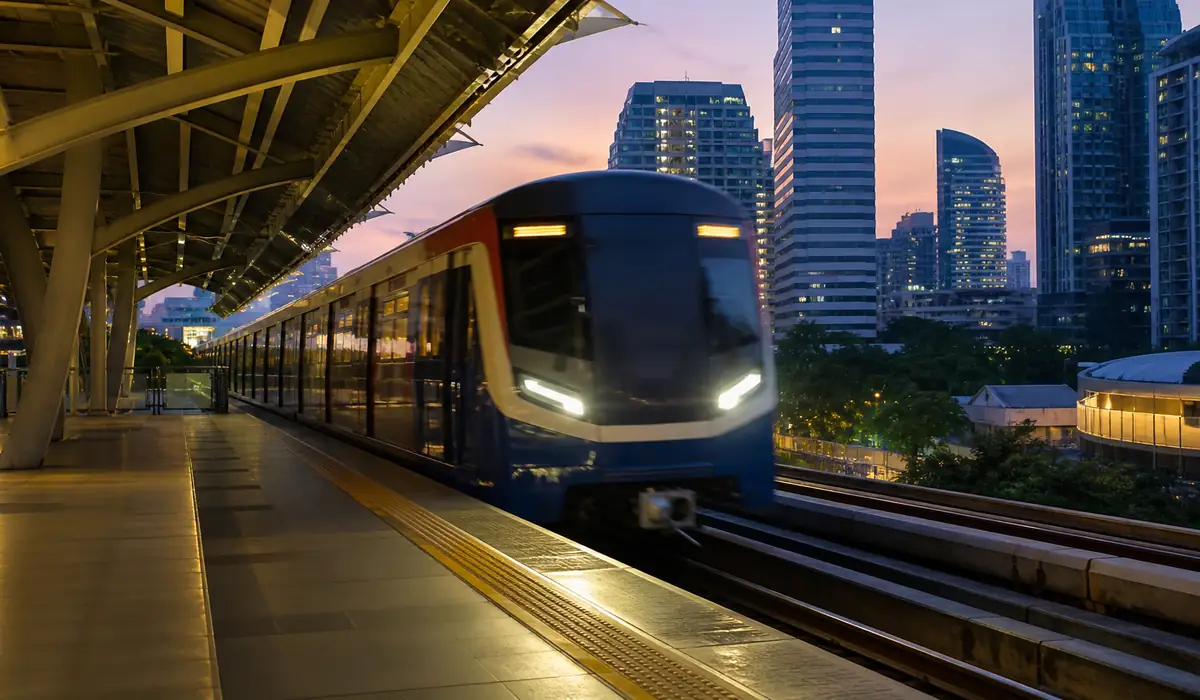
- BTS Skytrain & MRT (Bangkok) — The cleanest, fastest, and most reliable way to navigate Bangkok. Fares depend on distance. Rabbit card for BTS and MRT card for MRT can be topped up and reused.
- Grab — Southeast Asia's Uber. Works in Bangkok, Chiang Mai, Phuket, and most cities. Fixed prices, no meter negotiation, and drivers are rated.
- Songthaew (Red Trucks) — Shared red pickup trucks in Chiang Mai. Fares within the city are about 30 THB per person. Hail one heading in your direction and tap the buzzer when you want to stop.
- Long-Distance Trains — The State Railway of Thailand (SRT) runs overnight sleeper trains from Bangkok to Chiang Mai. Book on the SRT D-Ticket website or at a station. Most long-distance trains now leave from Krung Thep Aphiwat Central Terminal, not Hua Lamphong. Slower but scenic and comfortable.
- Domestic Flights — Bangkok to Chiang Mai, Phuket or Koh Samui on Thai AirAsia, Thai Airways, Bangkok Airways and other airlines. Book early for the best fares.
The law most visitors have never heard of
Thailand has a lèse-majesté law protecting the monarchy, and it is among the strictest in the world. It carries long prison sentences, it applies to foreigners exactly as it applies to Thai citizens, and it covers things said online as well as in person.
This is not a cultural nicety. It is the single most consequential legal difference between Thailand and most visitors' home countries, and it is almost never mentioned in travel guides.
What that means in practice is simple and easy to follow:
- Do not discuss the monarchy, including in what feels like private conversation.
- Do not post about it, and do not share or comment on posts about it.
- Treat images of the King and royal family with respect. They appear on banknotes, in public spaces and in homes.
- Stand for the royal anthem when it plays in cinemas and some public venues. Everyone does; following the room is enough.
Nothing about ordinary travel brings you near this law. Volunteering an opinion is the only way most visitors could.
Body language that means something here
A short list, all of it easy, all of it noticed.
The head is the highest part of the body, literally and symbolically. Do not touch anyone's head, including a child's.
Feet are the lowest. Do not point them at people, at Buddha images or at shrines. Tuck them under you when sitting on the floor, and never step over someone.
Point with your whole hand, not one finger. Beckon with the palm down, not up.
Do not raise your voice. Public anger loses respect rather than commanding it, and an argument conducted calmly gets a better result than the same argument conducted loudly. This is the etiquette rule that most often costs foreigners something concrete.
The wai — palms together, a slight bow — is a greeting and a thank-you. As a visitor you are not expected to initiate it, and returning one is polite. Do not wai children or service staff; a smile is right there.
Buddha images, and a rule with teeth
Buddha images are religious objects, not decoration. Two specifics catch travellers:
Taking them out of the country. Exporting antique Buddha images requires permission, and the rule is enforced at airports. The souvenir head from a market stall is exactly the object this is about.
Tattoos. A Buddha tattoo in a visible place can be seen as disrespectful. If you have one, cover it at temples.
The same goes for posing with Buddha images for photographs, especially with your back to them or in a way that treats them as a prop.
Health, and what to do when something happens
Pharmacies first. Thai pharmacies handle far more than pharmacies in most Western countries, staff often speak good English, and they dispense a great deal without prescription. For minor illness, that is the right first stop.
Private hospitals for anything serious. Bangkok's private hospitals are excellent, used to foreign patients, and expensive — which is what travel insurance is for. Public hospitals are cheaper and slower.
They want payment up front. Thai hospitals generally require a payment guarantee before treating. This is the practical reason travel insurance matters more here than the abstract one: an accident without cover means paying a deposit before care.
The 1155 Tourist Police line has English-speaking operators and is the right number for anything involving crime, scams or a language barrier with local police.
Motorbikes are the biggest risk you will take. Not crime, not food, not disease. Riding without the correct licence usually voids your insurance, which is where a 250-baht rental turns into a five-figure hospital bill. See the transport guide.
Small things that make the trip easier
- Carry small notes. Nobody can change a 1,000-baht note for a 40-baht meal.
- Take a hotel business card on day one, in Thai. It is the fastest way to get a taxi driver to the right place.
- Download offline maps before you need them.
- Line, not WhatsApp. Thai businesses, hotels and guides use Line; it is the local default.
- Convenience stores do everything. Bills, SIM cards, umbrellas, coffee, and the cheapest cold drink within reach.
- Ask before photographing people, particularly monks and market vendors. A gesture at the camera and a smile is enough.
- Learn two words. "Sawasdee" for hello and "khop khun" for thank you, with "krap" if you are male and "ka" if you are female. Nothing else you do will change the temperature of an interaction as much.
Sources checked
- Tourism Authority of Thailand: visitor information · October 28, 2026
- Tourism Authority of Thailand: long-distance trains move to Krung Thep Aphiwat · October 28, 2026
- State Railway of Thailand: D-Ticket online booking · October 28, 2026
- Thai Airways: company timeline and history · October 28, 2026
- Bank of Thailand: exchange rates · October 28, 2026